At I. Dachs & Sons, we believe that preparation is the key to safety and resilience. Explore our comprehensive resources for Disaster Preparedness, tailored to help you protect your family, home, and business.
Establishing a strong foundation is the first step in disaster preparedness. By understanding emergency fundamentals and taking proactive measures, you can ensure you and your loved ones are ready for any situation. This guide outlines the critical actions you should take to be prepared for disasters of all kinds.
Essential Steps for Disaster Readiness:
- Create a Family Emergency Plan: Decide how your family will communicate during an emergency and designate a meeting place in case you are separated.
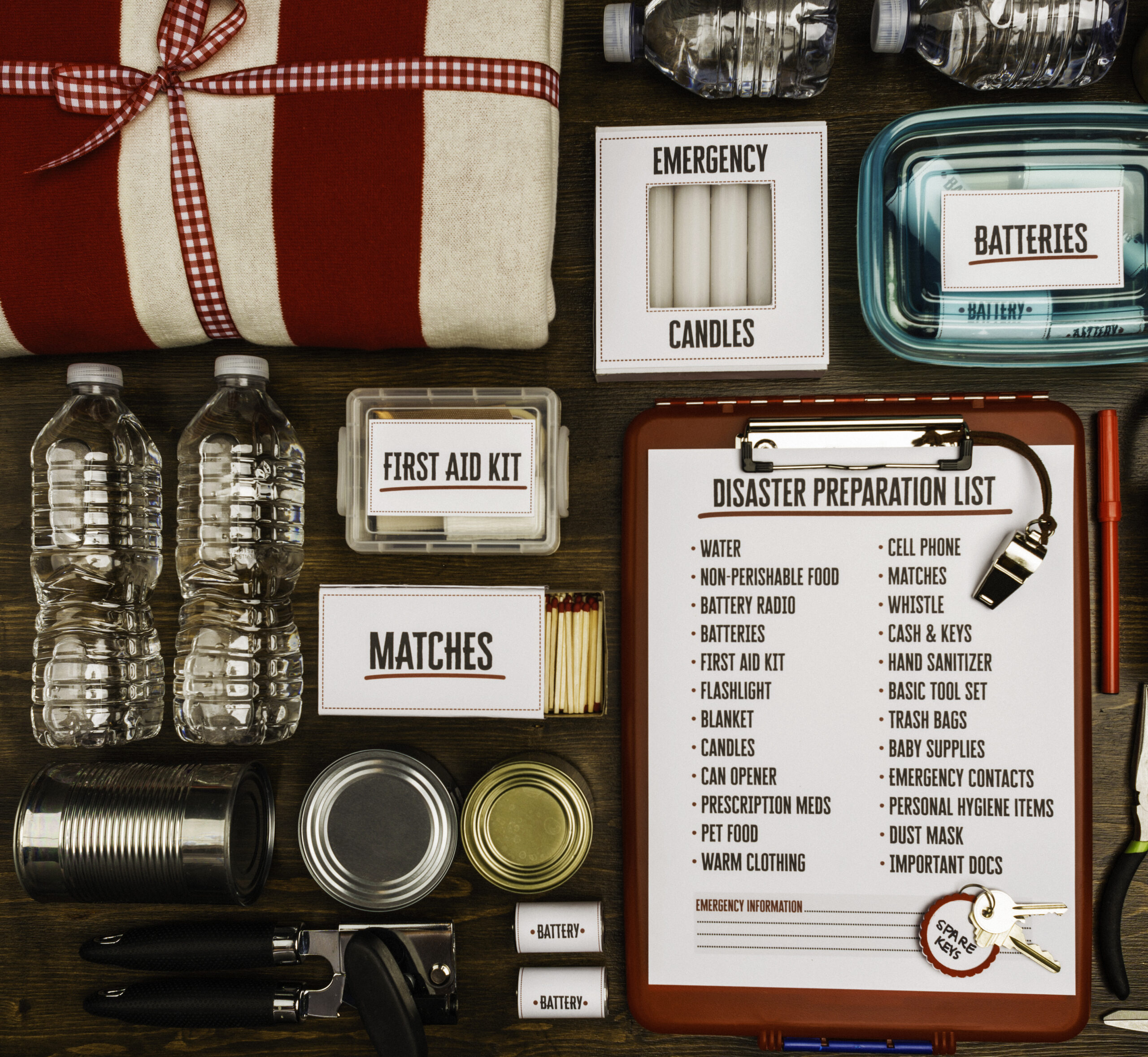
- Assemble a Disaster Supply Kit: Stock up on non-perishable food, enough water for each person (one gallon per person per day for three days), necessary medications, flashlights, batteries, first aid supplies, cash, and copies of important documents.
- Develop a Communications Strategy: Choose an out-of-town contact person, make sure everyone knows important phone numbers, and keep mobile devices charged.
- Map Out Evacuation Routes: Identify safe exits from your home and neighborhood, and know the locations of local emergency shelters.
- Stay Informed: Register for local emergency alerts and warnings. Keep a NOAA Weather Radio or a reliable app for real-time information.
Protect What Matters Most
- Ready.gov: Emergency Basics — Comprehensive federal emergency planning guides and checklists.
- American Red Cross: Emergency Preparedness Checklist — Downloadable checklists for home and family emergency kits.
- FEMA: Family Emergency Plan — Printable templates for family plans and contact cards.
- Ready.gov: FEMA Emergency Supply List – Downloadable checklist for an emergency supply kit.
- Ready.gov: Community & State Information – Sign up for systems that will send instant text alerts or e-mails.
Preparation is Key
In the event of any natural disaster, it’s essential to have two things prepared: an Emergency Kit and a Family Communication Plan. Your emergency kit should include basic, necessary supplies and your family communication plan should provide clear instructions on how to contact one another.
Your emergency kit should include basic supplies that your household might need during an emergency, and it should be assembled well in advance. If you ever need to evacuate quickly, you won’t have time to gather supplies or shop for what you need.
Basic Emergency Supply Kit
- Water: One gallon per person per day for at least three days (for drinking and sanitation).
- Food: Three-day supply of non-perishable items.
- Radio: Battery-powered or hand-crank radio, and a NOAA Weather Radio with tone alert, plus extra batteries.
- Flashlights: Include extra batteries in the kit.
- First aid kit
- Whistle: To signal for help.
- Dust mask, plastic sheeting, and duct tape: For sheltering in place.
- Moist towelettes, garbage bags, and plastic ties: For personal sanitation.
- Wrench or pliers: To turn off utilities if needed.
- Manual can opener:
- Local paper maps
- Cell phone: Include chargers, inverter, and/or solar charger.
Family Communication Plan
- Plan how you’ll contact each other if your family is separated during an emergency.
- Create a contact card for each family member and keep it in a wallet, purse, or backpack.
- Review emergency procedures with your children’s school or daycare.
- Choose a friend or relative outside your local area as a central point of contact. Family members can check in with this person to let everyone know they’re safe.
- If you have a cell phone, program your emergency contact(s) as “ICE” (In Case of Emergency). First responders often check these listings to reach your loved ones.
- Remember, text messages may go through even if phone calls cannot during network disruptions.