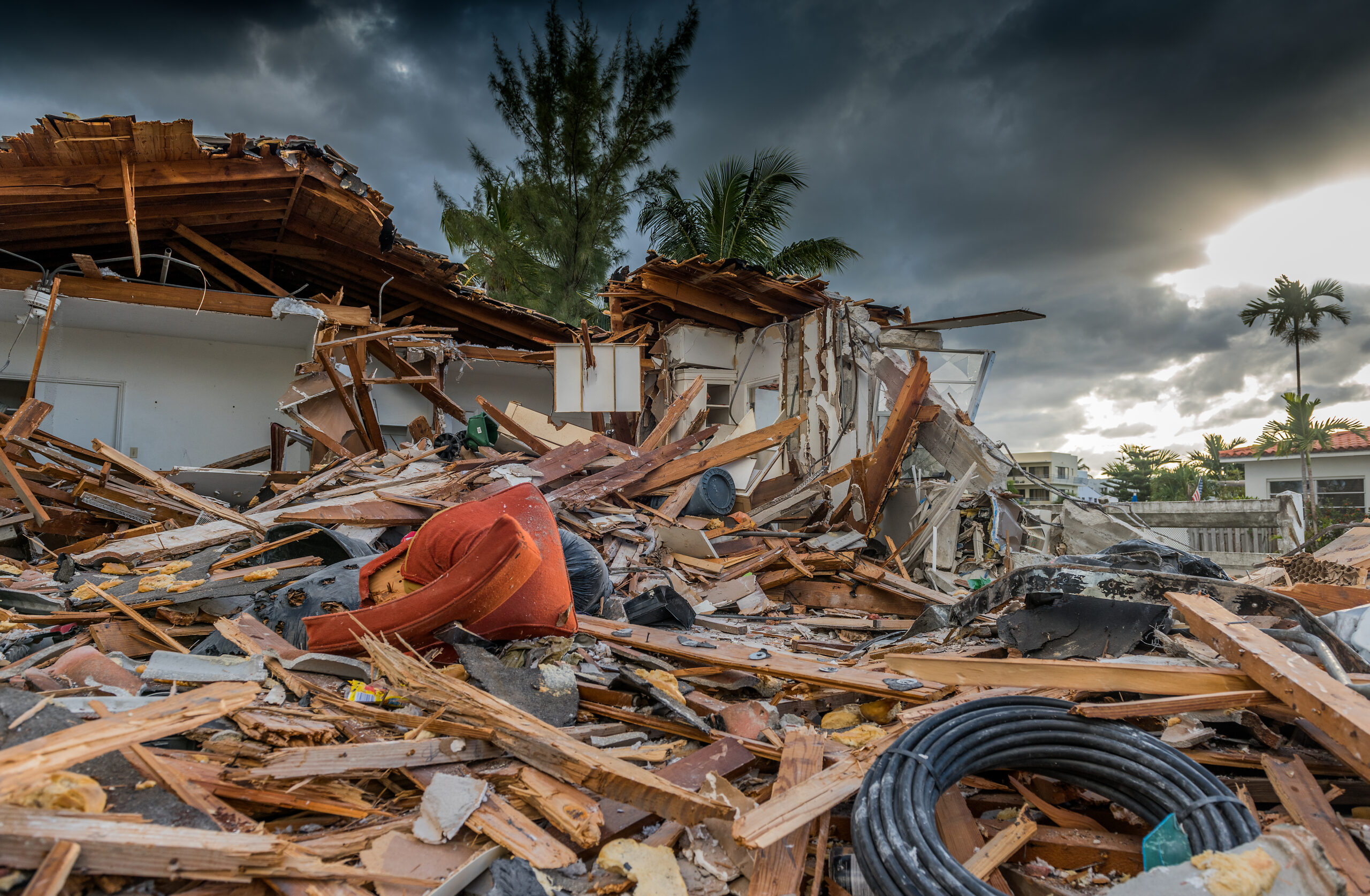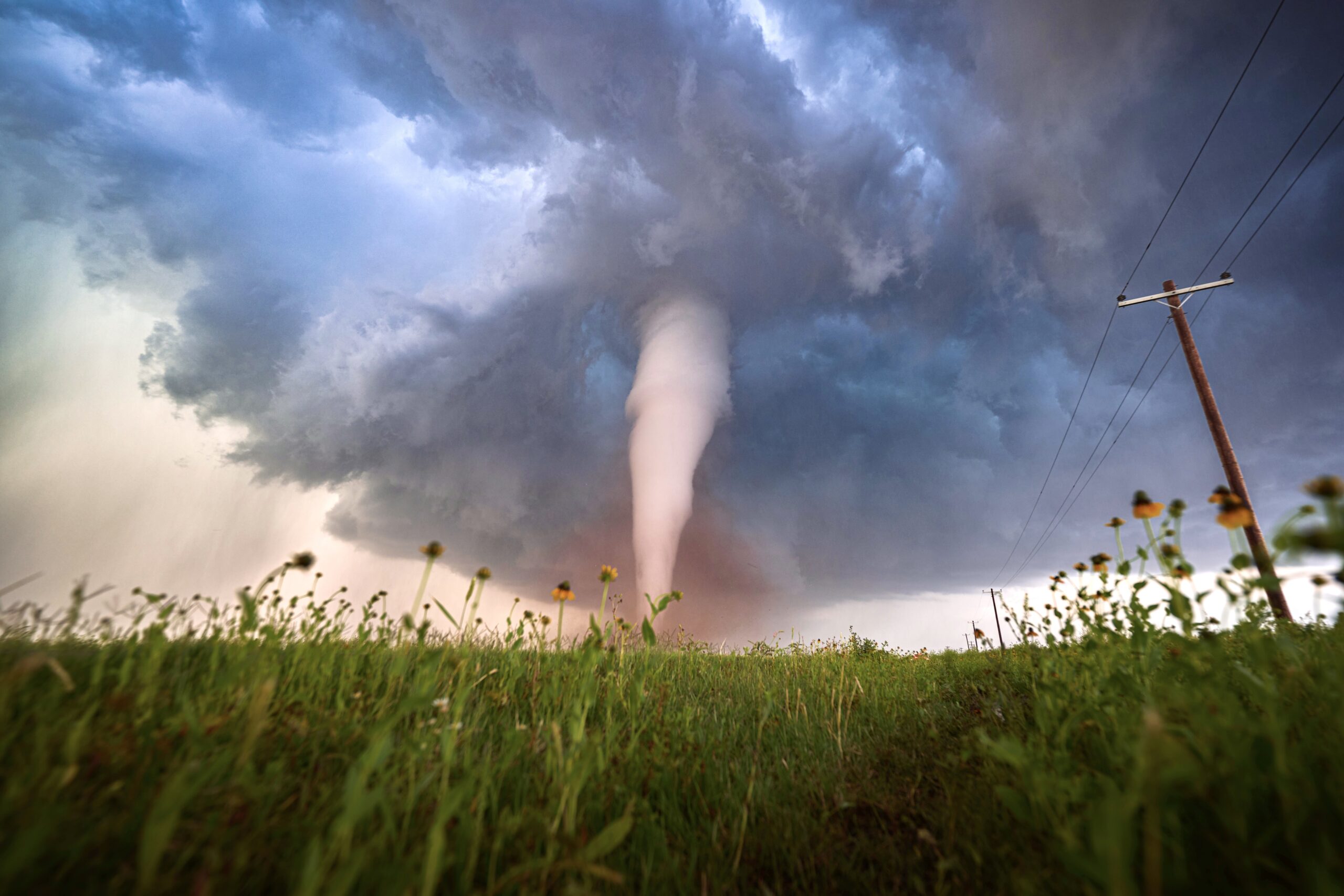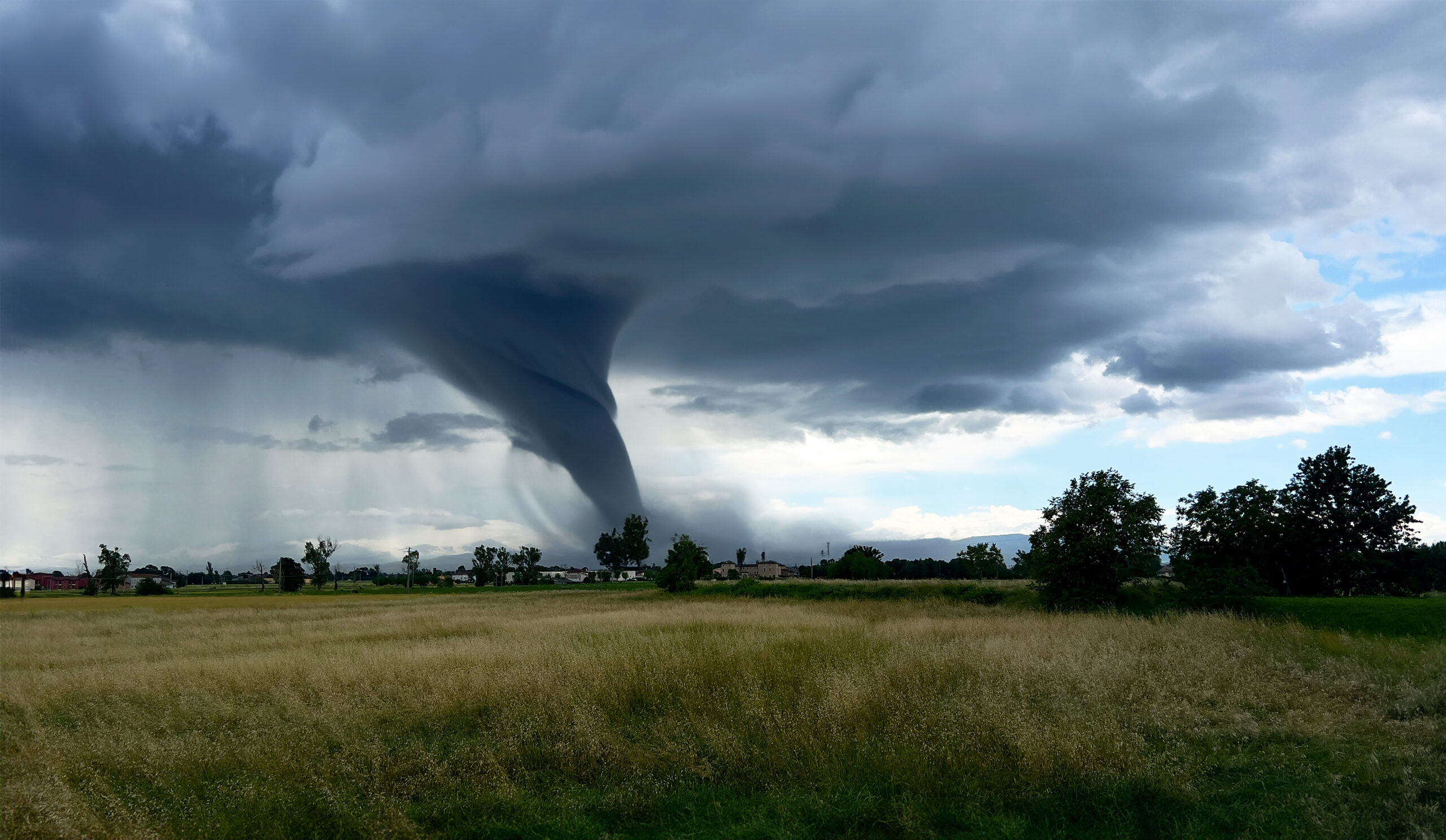
At I. Dachs & Sons, we believe that preparation is the key to safety and resilience. Explore our comprehensive resources for Tornado Preparedness, tailored to help you protect your family, home, and business.
Tornadoes can develop quickly and strike with little warning. Preparation and awareness can save lives. Know how to stay safe and respond.
How to Prepare for Tornadoes:
- Identify Safe Shelter: Designate a basement, storm cellar, or interior room on the lowest floor, away from windows.
- Emergency Kit: Include water, food, first aid, helmets, sturdy shoes, and a whistle.
- Recognize Watches & Warnings: A “watch” means conditions are favorable; a “warning” means a tornado is imminent—take shelter immediately.
- After a Tornado: Watch for hazards, check for injuries, and avoid downed power lines.
- Insurance: Review your policy for wind and tornado coverage.
Protect What Matters Most
- Ready.gov: Tornadoes — Federal tornado safety and planning resources.
- National Weather Service: Tornado Safety — Real-time alerts and preparedness tips.
- American Red Cross: Tornado Safety Checklist — Downloadable safety checklist for tornadoes.
- Weather.gov: NOAA Weather Radio – NWR Station listing by state.
Danger Signs for Tornadoes
Tornadoes can cause devastating winds and flying debris that may damage homes and property. Taking steps to secure your property before a tornado strikes can reduce risk and help protect your family. Consider these tips to minimize damage and stay safe:
- Dark, sometimes greenish sky
- Large, heavy hail
- A large, dark, low-lying cloud, especially if it appears to be rotating
- A loud, continuous roar or rumble, similar to a freight train
- Sudden calmness or a noticeable drop in wind, followed by intense activity
- Debris being lifted or swirling in the air, even if a funnel is not visible
If you notice any of these danger signs or see storms approaching, take shelter immediately and stay tuned to local weather alerts for updates.